TL;DR:
- Social connection reduces health risks and improves emotional wellbeing for seniors.
- Finding and attending local events can combat loneliness and foster lasting friendships.
- Organizers should plan early, promote inclusively, and consider accessibility to maximize participation.
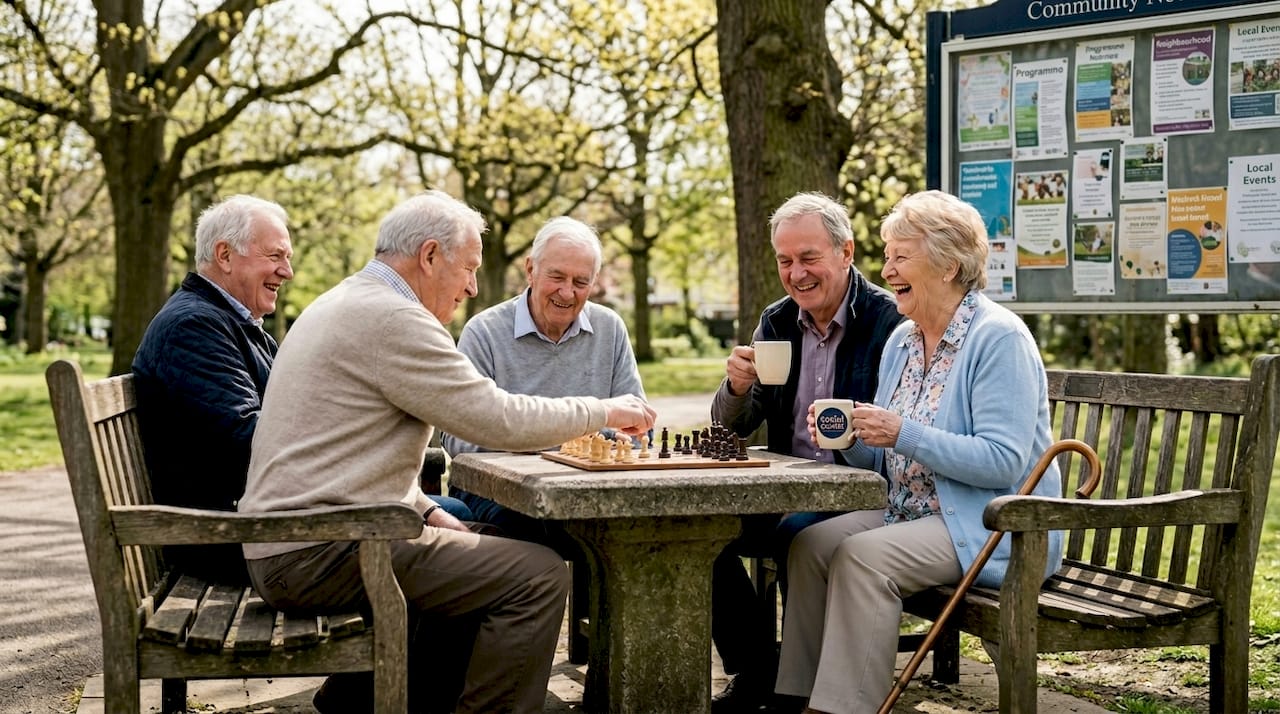
Feeling left out is not a small thing. For many adults over 60, loneliness is a daily reality, with 43% regularly feeling lonely across this age group. The good news is that local events offer one of the most practical and enjoyable ways to change that. Whether you are looking to make new friends, try a new hobby, or simply be around others who understand your stage of life, getting involved in your community can shift things dramatically. This guide walks you through every step, from understanding why connection matters to finding events and making them work, whether you are a senior or someone organising activities for older adults.
Table of Contents
- Understanding the challenge: Why connecting matters for seniors
- Preparing to participate: Finding events and overcoming barriers
- Practical steps: Making the most of your local events
- For organisers: Creating and promoting inclusive events for seniors
- A fresh perspective: Rethinking ‘connection’ in senior communities
- Take the next step with Social Souls
- Frequently asked questions
Key Takeaways
| Point | Details |
|---|---|
| Local events reduce loneliness | Seniors who join social groups or attend events are much less likely to feel isolated. |
| Practical tools make connection easy | Online searches, community listings, and digital platforms quickly reveal nearby events for every interest and need. |
| Organisers should plan early | Outreach starting eight weeks ahead, using varied promotion, brings more seniors into the fold. |
| Flexible options suit all abilities | Hybrid, virtual, and volunteer-led initiatives mean everyone can join, no matter their mobility or confidence. |
Understanding the challenge: Why connecting matters for seniors
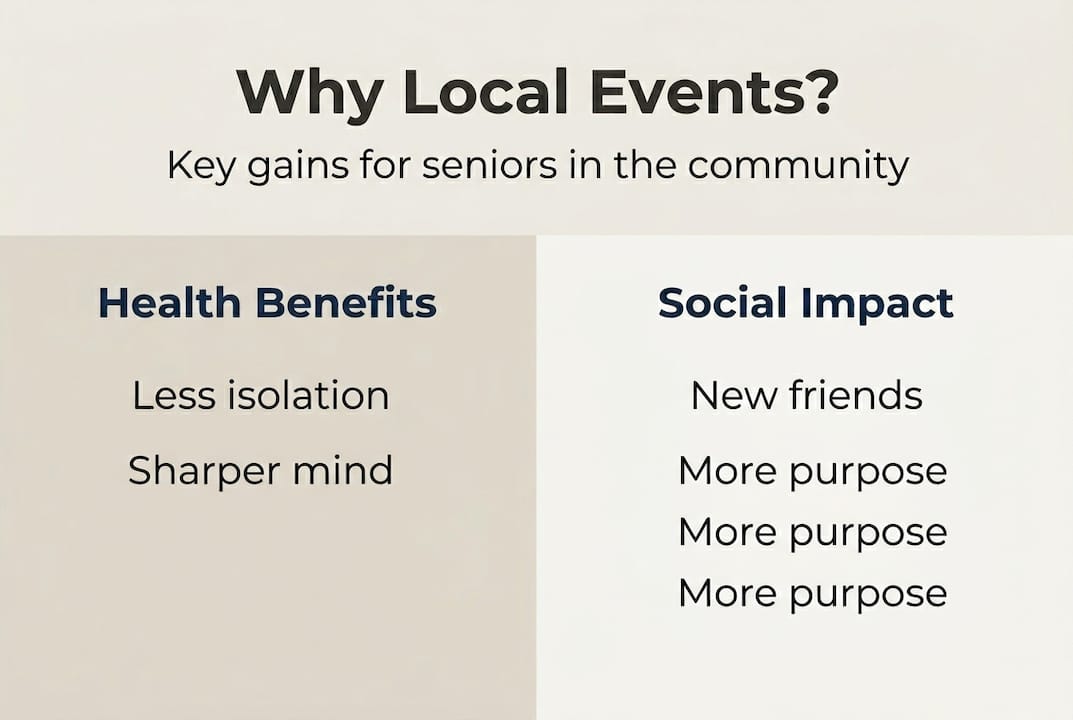
Social isolation is not just uncomfortable. It carries real health risks that many people underestimate. Research shows that loneliness among adults 45+ has risen to 40%, up from 35% just a few years earlier. That is a significant increase, and it points to a growing challenge that communities need to take seriously.
For people over 60 specifically, the triggers are often clustered together: retirement removing a daily social structure, children moving away, friends becoming ill or passing, and reduced mobility making it harder to get out. Each of these alone can create distance. Together, they can make someone feel genuinely cut off from the world.
Why social events make a measurable difference:
- Regular social contact lowers the risk of depression and cognitive decline
- Shared activities build a sense of purpose and belonging
- Group settings encourage gentle physical movement and mental stimulation
- Meeting new people rebuilds confidence after periods of isolation
- Consistent attendance creates routines, which support emotional stability
The benefits are not just emotional. Studies link social isolation to higher risks of heart disease, stroke, and premature mortality. When seniors attend events regularly, even simple ones like a weekly quiz or a gardening club, they report feeling more energised and more optimistic.
Key insight: Social connection is not a luxury for older adults. It is a health intervention with measurable outcomes, comparable in impact to regular exercise.
For community organisers, this data matters too. Understanding the scale of loneliness helps justify investment in outreach, transport support, and safety and trust for events that encourage seniors to show up and stay engaged. The return on that investment, measured in reduced NHS demand and improved quality of life, is substantial.
Preparing to participate: Finding events and overcoming barriers
Knowing that connection is important and actually finding the right event to attend are two different things. The first step is knowing where to look, and there are more options than most people realise.
Top platforms and resources for finding local events:
- AARP Events Finder: Enter your city or ZIP code for tailored results by interest and location
- Meetup.com and local library or community calendars are excellent for interest-based groups
- Social Souls: discover events on Social Souls specifically designed for adults over 60
- Local council websites and parish noticeboards for neighbourhood-level listings
- GP surgeries and pharmacies often display community event leaflets
| Resource | Best for | Cost | Accessibility |
|---|---|---|---|
| AARP Events Finder | Interest-based local events | Free | Online search |
| Meetup.com | Hobby and social groups | Free/paid | App and browser |
| Social Souls | Over-60s social connection | Free membership | Designed for seniors |
| Local libraries | Classes, talks, book clubs | Usually free | In-person and online |
| Council websites | Community programmes | Free | Online and phone |
For those without internet access or confidence online, there are still strong options. Many councils offer a free telephone service, and free phone support is available to help seniors find activities and connect with local groups without needing a computer.
Common barriers include mobility limitations, transport difficulties, and a general hesitancy about walking into a room where you do not know anyone. These are real concerns, not excuses. Addressing them upfront makes a difference.
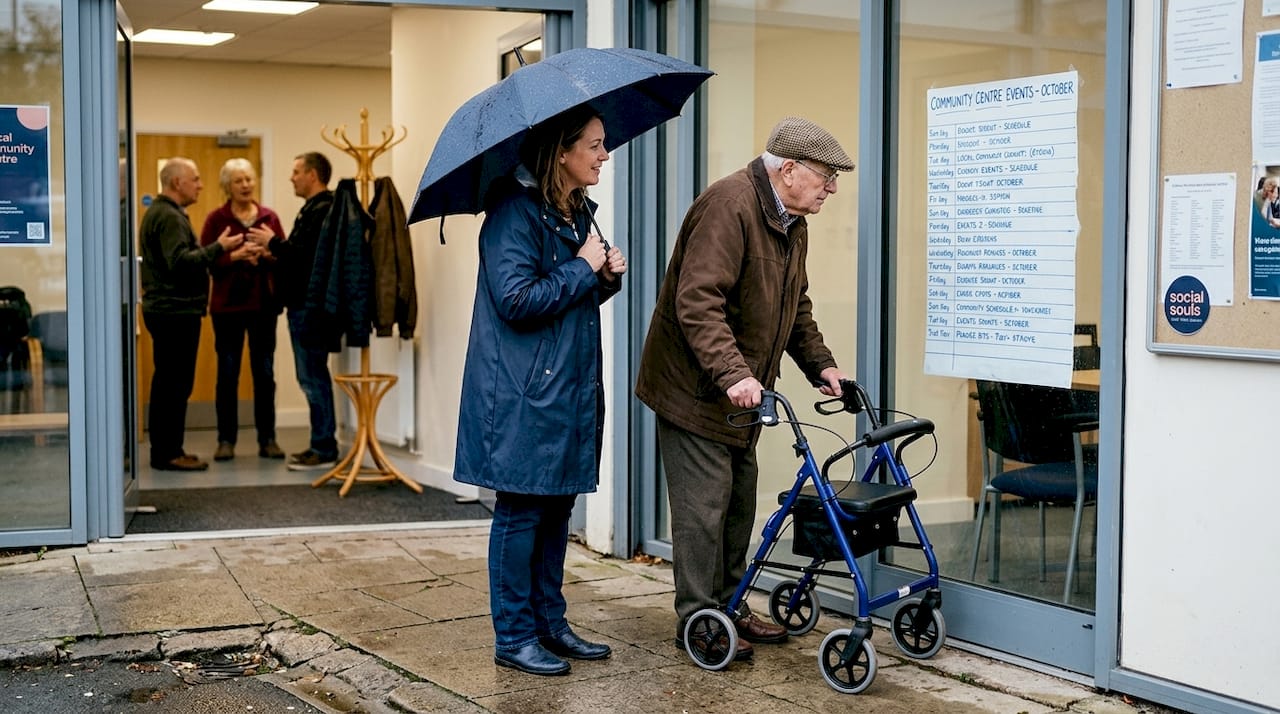
Pro Tip: Ask a family member or carer to help with the first search and even attend the first event with you. Having a familiar face alongside you for the first visit makes it far less daunting, and many people find they do not need that support after the second or third time.
For seniors who use assistive technology or need adjustable display settings when browsing online, it is worth checking the accessibility statement of any platform before signing up, to confirm it meets your needs.
Practical steps: Making the most of your local events
Finding an event is just the beginning. How you prepare for, experience, and follow up on that event determines whether it becomes a one-off outing or the start of something lasting.
Before you go:
- Confirm the event details in writing, including address, time, and any costs
- Tell a friend or family member where you are going and when to expect you home
- Check whether the venue is accessible, particularly if you use a walking aid or wheelchair
- Bring a small notepad to jot down names or contact details of people you meet
- Arrive slightly early. It is much easier to greet people as they arrive than to walk into a full room
During the event:
Introduce yourself with a simple, open question. Something like “Have you been to one of these before?” is low pressure and usually gets a warm response. Avoid the temptation to stand back and observe. The people who get the most from events are the ones who lean in, even slightly.
“The best conversations start with curiosity, not confidence. You do not need to be outgoing. You just need to be interested.”
After the event:
This is where many people miss an opportunity. If you enjoyed it, say so to the organiser. Volunteer to help next time. Senior centres reduce loneliness for 43% of adults over 60 precisely because they offer consistent, repeated contact, not just one-off occasions. Joining a regular club or workshop programme is where real friendships form.
For guidance on staying safe when meeting new people, our safe meeting guide for seniors offers practical advice on verifying contacts and protecting your personal information.
For organisers: Creating and promoting inclusive events for seniors
If you run a community organisation, a senior centre, or a volunteer programme, your role in reducing isolation cannot be overstated. The challenge is not just creating events but making sure the right people actually show up.
Planning timeline for maximum reach:
| Phase | Timing | Key actions |
|---|---|---|
| Planning | 8-10 weeks before | Set format, venue, accessibility needs |
| Promotion | 6 weeks before | Direct mail, social media, partner outreach |
| Reminders | 1-2 weeks before | Phone calls, email, local press |
| Follow-up | 1 week after | Feedback, next event preview, personal thanks |
Partnering with senior centres and using a structured media publicity plan significantly increases attendance and community buy-in. Direct mail remains particularly effective for reaching older adults who are less active online.
What works best for engaging seniors:
- Personal invitations carry more weight than general notices
- Hybrid events (both in-person and online) remove transport barriers
- Drop-in formats reduce commitment anxiety for first-time attendees
- Intergenerational events, where younger and older adults mix, bring energy and variety
- Volunteer visitor programmes serve homebound seniors who cannot travel
Intergenerational programmes reduce isolation by 20% and also improve cognitive health, making them one of the most effective formats available to organisers today. These events work because they feel reciprocal. Seniors bring wisdom and life experience; younger participants bring enthusiasm and new perspectives.
Organisations looking to expand their reach can register as an organisation on Social Souls to list events and connect directly with the over-60s community across the UK.
A fresh perspective: Rethinking ‘connection’ in senior communities
Most guides on senior social engagement focus on the obvious solutions: attend a club, join a class, go to a centre. And those recommendations are sound. But they tend to overlook the seniors who most need help, those who are too isolated, too anxious, or too physically limited to reach a venue at all.
The uncomfortable truth is that traditional event models are built around people who already have some social confidence and access. The truly isolated are often invisible to those models. What bridges that gap is not more events but different ones. Micro-events at a neighbour’s kitchen table. Doorstep conversations made possible by volunteer schemes. Technology training that gives someone the ability to join a video call with others in their postcode.
Connection is also not a destination. It is a slow accumulation of small moments. One cup of tea with a stranger. One shared laugh at a quiz. Expecting a single event to transform someone’s social life sets everyone up for disappointment. The goal is gradual, repeated contact, and that requires collaboration between seniors, their families, and community leaders working together through community-led initiatives that are flexible enough to meet people where they actually are.
Take the next step with Social Souls
Reading about connection is a start. Acting on it is where things change. Social Souls was built specifically for people over 60 who want to meet others, find local events, and connect with clubs that share their interests.
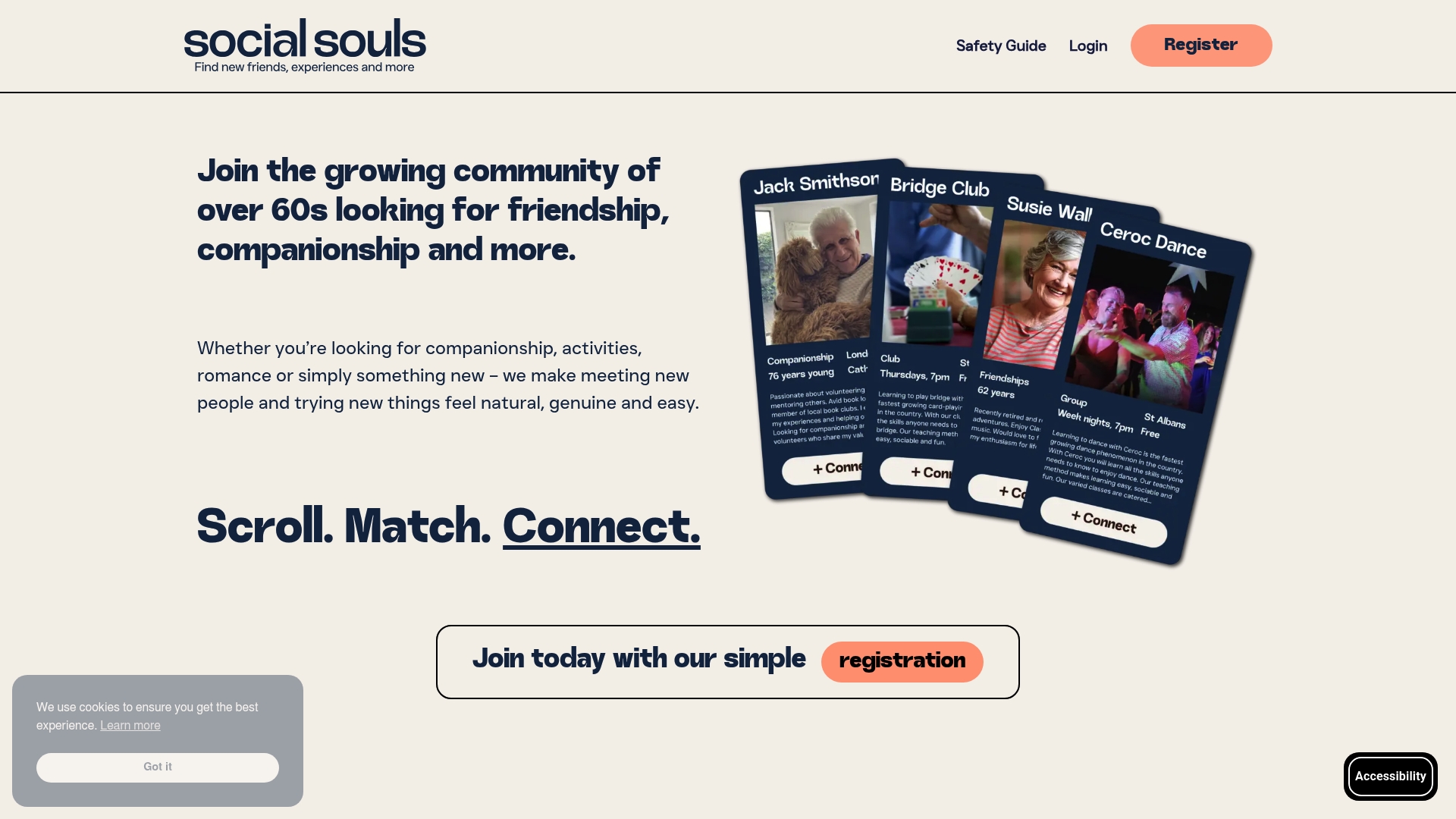
The platform offers access to vetted members, community groups, and volunteer opportunities, all in a space designed around your comfort and safety. Concerns about privacy or online safety are addressed through clear Safety & trust policies, and support is available if you need help getting started. Whether you are a senior taking your first steps back into social life or an organisation wanting to reach more older adults, join Social Souls and see what is possible when community is built with you in mind.
Frequently asked questions
What are the easiest ways for seniors to find local events?
Using tools like the AARP Events Finder by entering your city or postcode, or checking with your nearest library or senior centre, are the simplest starting points and require very little technical confidence.
How do organisers get more seniors involved in their events?
Effective organisers plan 8-10 weeks in advance, use direct mail alongside social media, and build partnerships with local senior centres to ensure the invitation reaches people through channels they already trust.
Are there options for homebound or less mobile seniors?
Yes, volunteer visitor programmes offer regular companionship for those who cannot travel, and hybrid or fully virtual events mean seniors can participate from home without missing out on social interaction.
Why do local events matter for combating loneliness?
Because loneliness affects 40% of adults 45+ and carries genuine health risks, regular event attendance provides the repeated social contact that builds friendships and measurably improves emotional and physical wellbeing.