TL;DR:
- Friendships significantly boost wellbeing and reduce health risks in older adults.
- Building high-quality, reciprocal friendships enhances happiness and cognitive health after 60.
- Consistent social activities and online communities help maintain deep, meaningful connections.
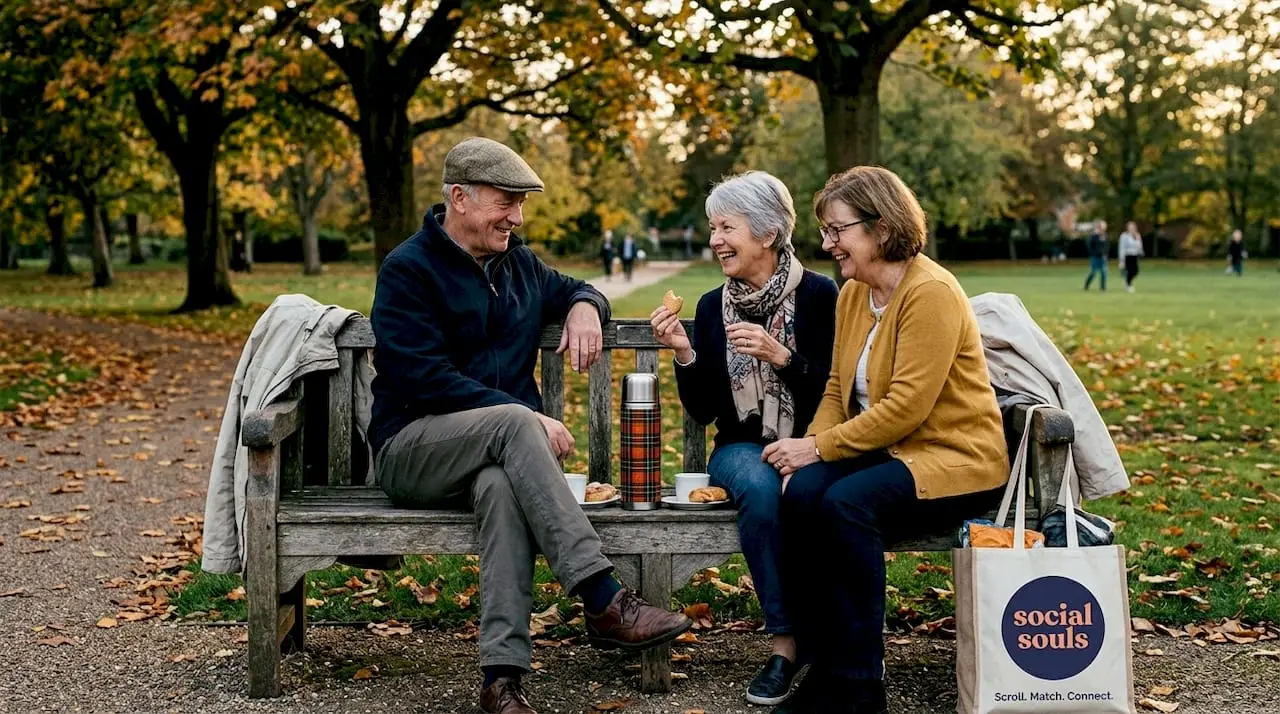
Many people over 60 find that friendships quietly slip away after retirement, bereavement, or a house move, yet these bonds are far more powerful than most of us realise. Friendship networks and wellbeing research confirms that having close friends significantly increases the odds of high subjective wellbeing in older adults. The good news is that it is never too late to build or deepen those connections, and the rewards touch every corner of your life, from your mood and memory to your long-term health.
Table of Contents
- Boosting happiness and life satisfaction
- Guarding against loneliness, isolation, and health risks
- Maintaining cognitive health and preventing decline
- Practical ways to build and deepen friendships after 60
- Why the right friendships matter more than ever after 60
- Connect, engage and thrive with Social Souls
- Frequently asked questions
Key Takeaways
| Point | Details |
|---|---|
| Friendships protect health | Strong social ties after 60 lower disease risk and boost wellbeing. |
| Quality over quantity | One genuine, reciprocal friendship is more valuable than several casual ones. |
| Cognitive benefits | Friendships keep minds sharp and reduce the risk of dementia. |
| Practical strategies | Group activities, volunteering, and tech options help build lasting connections. |
Boosting happiness and life satisfaction
Friendship is one of the most reliable routes to feeling genuinely happy in later life. While family relationships matter enormously, research shows that friendships predict wellbeing in older adults even more strongly than family ties, particularly for those living independently. The emotional support, shared laughter, and sense of belonging that friends provide are difficult to replicate anywhere else.
The numbers back this up. A meta-analysis covering 13 studies and 5,880 participants found that social capital and quality of life are positively associated, with friendship networks showing a meaningful correlation of r=0.27 with higher life quality. That is not a small effect. Even gaining just one close friend in later life can shift your overall sense of satisfaction noticeably.
Here is what friendship tends to deliver for happiness:
- Emotional support during difficult times, such as illness or loss
- Shared joy through activities, conversation, and humour
- A sense of purpose, knowing others value your company
- Reduced stress, because talking things through genuinely helps
Pro Tip: Do not focus only on making new friends. Reconnecting with old ones brings a different kind of richness, because shared history creates instant depth. Aim for a mix of long-standing and newer friendships for the fullest experience.
If you are wondering where to begin, exploring staying socially active after 60 offers a practical starting point for broadening your social world.
Guarding against loneliness, isolation, and health risks
Greater life satisfaction is valuable, but friendships also offer protection against serious risks. The statistics on isolation are sobering. Social isolation raises mortality risk by 35% in older adults, while loneliness alone raises it by 14%. These are not abstract figures. They represent real consequences for people who lack regular, meaningful contact with others.
“Loneliness is not just an emotional experience. It is a measurable health risk, comparable in impact to smoking and physical inactivity.”
Active friendships work as a direct shield. They reduce depression, slow physical decline, and give you reasons to stay engaged with the world. The key is consistency. Here are three steps to protect yourself:
- Reach out first. Do not wait for others to make contact. A short message or phone call can restart a dormant friendship quickly.
- Join local or online groups. Shared interests create natural conversation and regular contact. You can engage with local events to find activities near you.
- Keep consistent contact. Irregular contact fades. A weekly coffee, a fortnightly walk, or a monthly catch-up call all count.
Volunteering is particularly effective because it combines social contact with purpose. Art groups, community choirs, and walking clubs all build resilience through regular, friendly interaction. For those who prefer to start online, a community building online guide can help you find your footing safely.
Maintaining cognitive health and preventing decline
Besides physical health, staying connected supports our minds as well. The evidence here is striking. Loneliness increases dementia risk by 50%, while strong friendships are linked to better memory and slower cognitive decline. Your brain thrives on stimulation, and genuine conversation, debate, and shared problem-solving are among the best forms of it.
The famous Harvard Study of Adult Development found that close relationships predict healthy ageing more reliably than cholesterol levels. That is a remarkable finding. It suggests that your social life is as clinically relevant as your diet or exercise habits.
| Factor | Effect on cognition |
|---|---|
| Strong friendships | Slower decline, better memory retention |
| Loneliness | 50% higher dementia risk |
| Regular social engagement | Improved mental sharpness |
| Isolation | Faster cognitive deterioration |
Activities that combine socialising with mental stimulation are especially powerful:
- Book clubs that mix reading with discussion
- Art or craft groups that encourage creative thinking
- Technology classes that teach new skills alongside peers
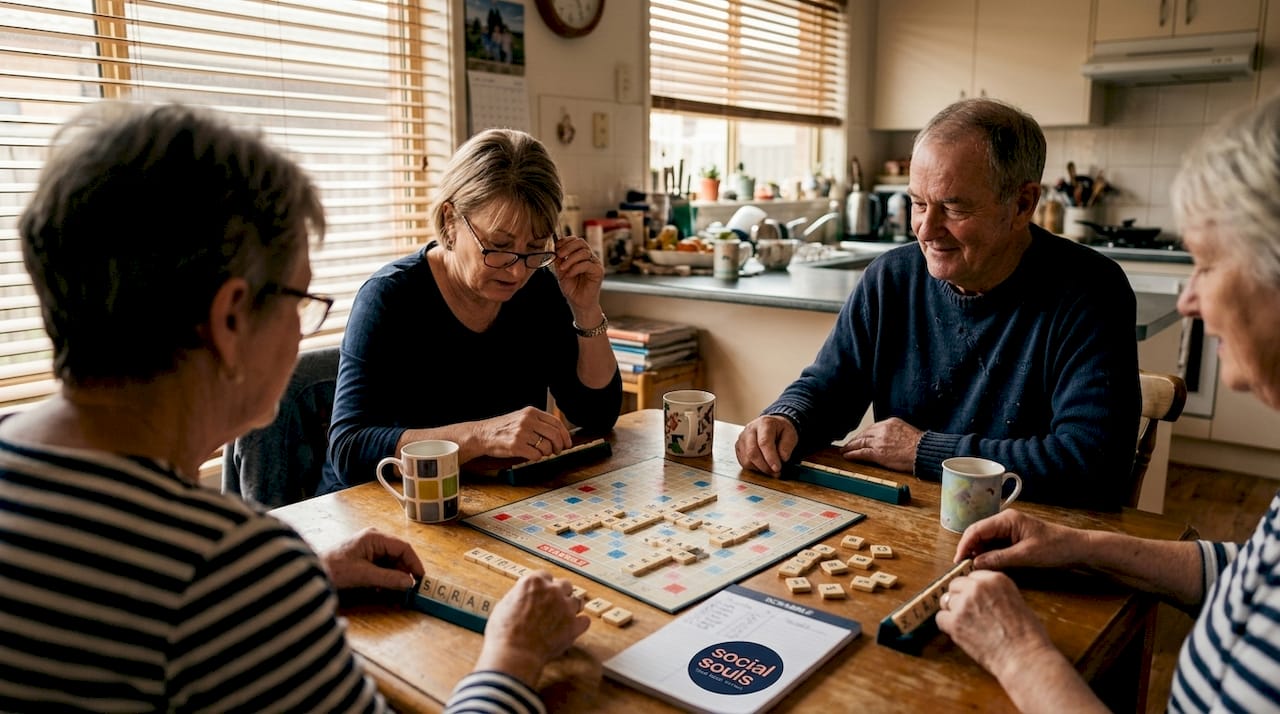
- Board game or quiz nights that keep the mind sharp in a fun setting
Building these habits through online community building can make it easier to find groups that match your interests.
Practical ways to build and deepen friendships after 60
So, how do you nurture these vital friendships or make new ones after 60? The most effective approach combines regular group activities with one-to-one time. Groups get you in the room. Individual meet-ups build the depth.
Consistent group participation and proactive involvement in volunteering and technology-enabled connections are proven ways to build and maintain strong social networks. The key word is consistent. Turning up once rarely leads to friendship. Turning up regularly does.
| Method | Reported effectiveness |
|---|---|
| Volunteering | Very high, builds purpose and routine |
| Interest-based clubs | High, shared passion creates natural bonds |
| Online platforms | Moderate to high, especially for those with mobility limits |
| Community classes | High, regular contact accelerates connection |
| Intergenerational activities | Moderate, adds fresh perspective |
Some people find that pets and social connection also open unexpected doors, as dog walking and pet groups create natural, low-pressure social opportunities.
For those cautious about meeting strangers, learning how to find safe companionship online is a reassuring first step before committing to in-person meetings.
Pro Tip: Combine a group activity with a one-to-one follow-up. After a class or club meeting, suggest a coffee with one person. That small step moves an acquaintance toward a genuine friend far faster than group contact alone.
Why the right friendships matter more than ever after 60
Here is something most articles on this topic miss. It is not the number of friends you have that matters most. It is the quality. One deeply reciprocal friendship, where both people genuinely listen and show up, can do more for your wellbeing than a dozen polite acquaintances.
High-quality, reciprocal friendships consistently outpace even family relationships as predictors of wellbeing in later life. That is worth sitting with. As we age, we often maintain friendships out of habit or history rather than genuine nourishment. Letting go of draining connections and investing in those that feel mutual and honest is not selfish. It is wise.
Friends who share your stage of life often understand your experience in ways that younger family members simply cannot. They know what it feels like to navigate retirement, health changes, or loss. That shared understanding is irreplaceable. Prioritise the friendships that leave you feeling energised, not depleted, and stay socially active in ways that feel genuinely meaningful to you.
Connect, engage and thrive with Social Souls
If you are ready to take steps toward deeper connection, here is how you can find support. Social Souls is a safe, verified community built specifically for over 60s who want real friendships, not just followers. Whether you prefer to start gently online or jump straight into local events, the platform makes it easy to find people who share your interests and values.
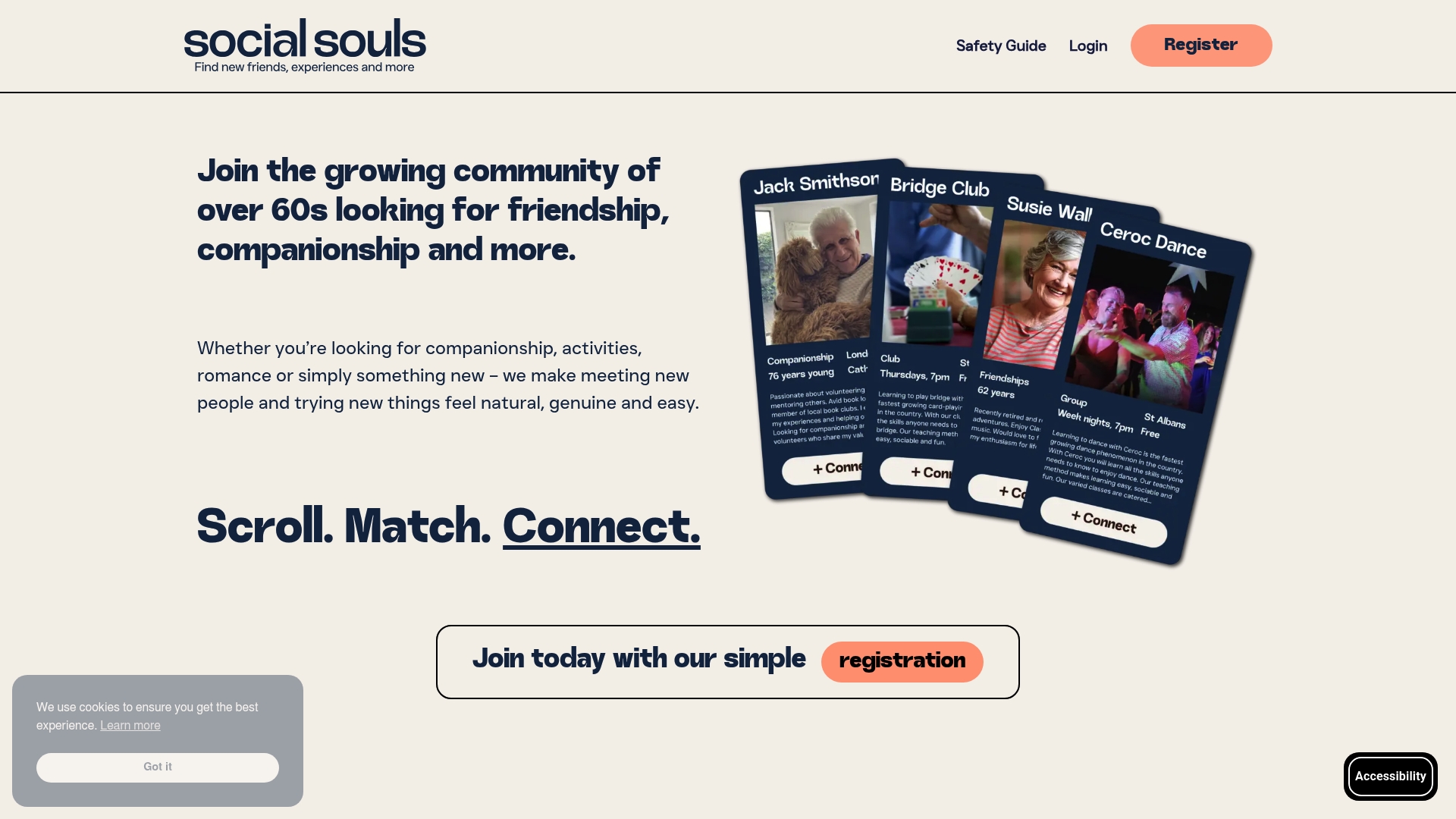
From our community building guide to practical advice on ways to stay socially active, there are resources here to support every step of your journey. Founding members currently enjoy free lifetime membership. Today is a good day to start.
Frequently asked questions
Can making new friends after 60 really improve my health?
Yes. Friendships reduce cognitive decline and lower the risk of conditions such as dementia and heart disease, while also reducing loneliness and boosting day-to-day happiness.
Are friendships more important than family for older adults?
Friendship networks can surpass family as a predictor of wellbeing in older age, particularly for those living alone or who have lost a partner.
What is the best way to make new friends later in life?
Joining clubs, volunteering, attending community classes, and using digital platforms all work well. Consistent group participation is the single most reliable way to turn new contacts into lasting friendships.
Does digital friendship offer the same benefits as meeting in person?
Digital connections support social capital but work best when combined with in-person contact, as face-to-face interaction tends to build deeper bonds over time.
Recommended
- Best ways to stay socially active after 60 – Social Souls
- How to find safe companionship online for over 60s – Social Souls
- Social Souls – Simple, Human Connections for Over 60s
- Community building online for over-60s: a complete guide – Social Souls
- Senior health and pets: enhance wellbeing and connection – iPupPee